


Summary
Editor's Note: The following summary details independent academic research conducted in clinical research settings. Theia3D is an offline software solution engineered exclusively for research and human performance analysis.
Why This Matters
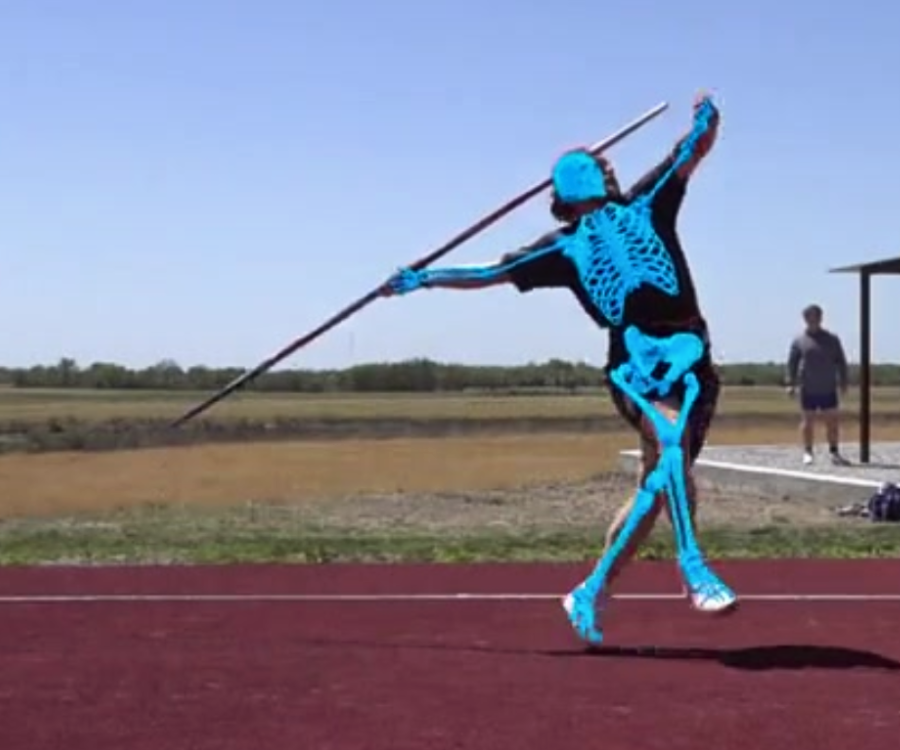
Until recently, most validation work for Theia3D focused on gait and lower extremity movements in research populations. This new peer-reviewed study extends the evidence base into upper body and overhead movements — a critical area for research institutions and performance facilities working with overhead athletes and occupational biomechanics research.
Study Overview
This study compared Theia3D markerless motion capture against a validated marker-based reference system during standardized upper extremity movement tasks. Participants performed shoulder flexion, abduction, and combined motions while both systems recorded simultaneously.
Key Findings
- Strong agreement for shoulder flexion and abduction in the sagittal and frontal planes
- Higher variability in axial rotation, consistent with known limitations across both markerless and marker-based systems for transverse-plane shoulder kinematics
- Marker placement variability eliminated, removing a common source of inter-session error in upper extremity research
What This Means for Researchers
These findings support the use of Theia3D for upper extremity biomechanics research, particularly in contexts where marker placement is impractical, participant burden needs to be minimized, or high-throughput data collection across research participants is required.
Read the full peer-reviewed study for complete methodology and results. Contact us to learn how Theia3D can support your upper extremity research program.